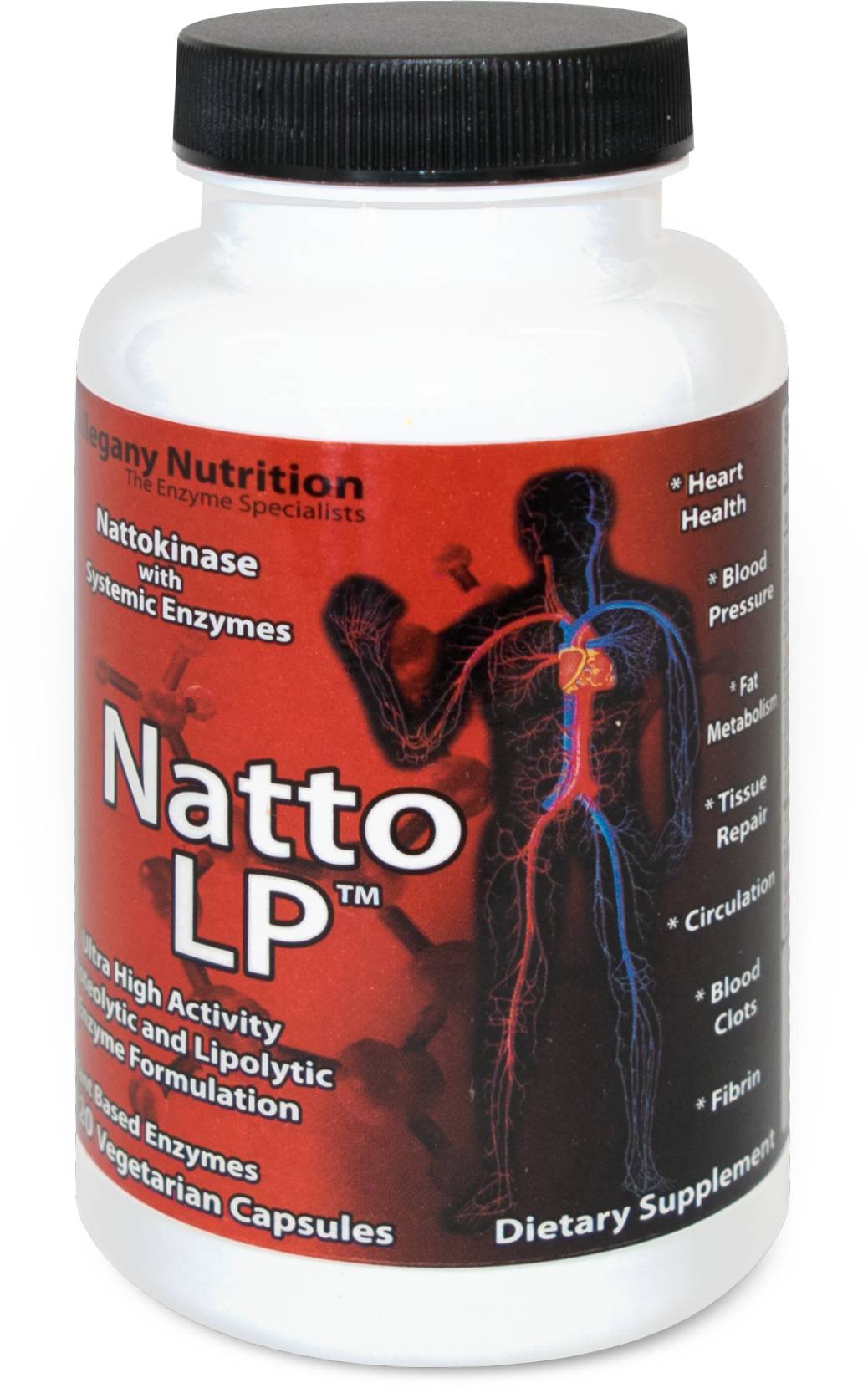
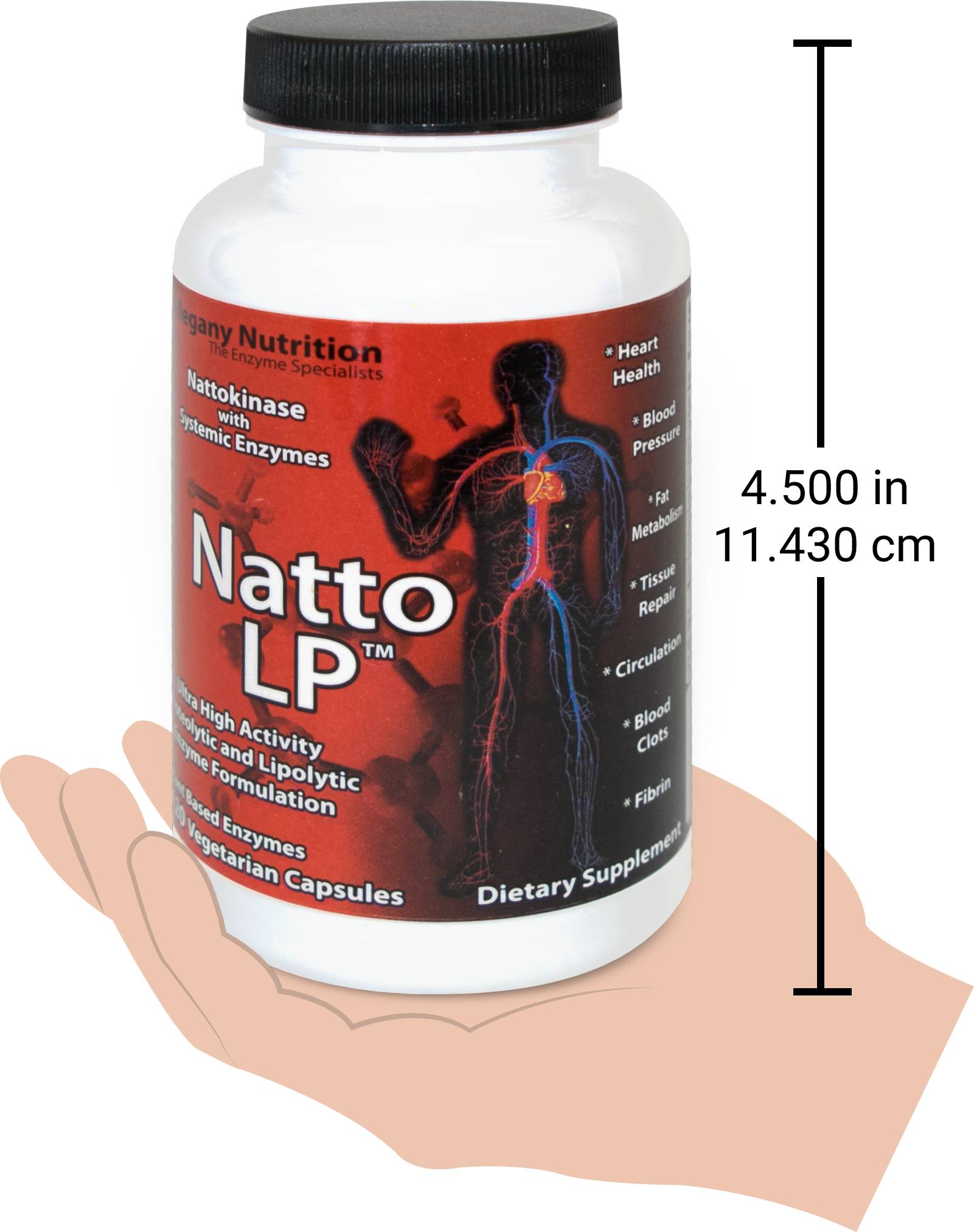
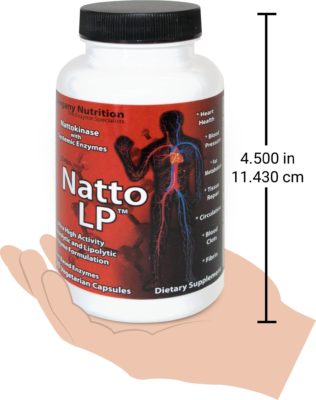
Natto LP
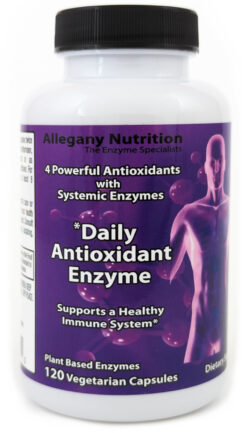
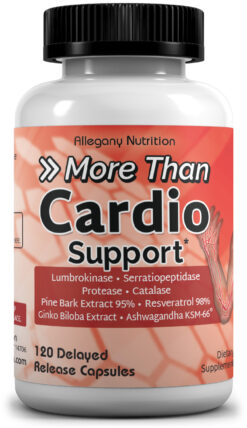
Plant Derived Nattokinase with Systemic Enzymes Dietary Supplement
Natto LP Features:
- 100% Vegetable Capsules
- Vegan Enzymes
- Made in the USA
- Not a Proprietary Blend
- Functional in a wide pH Range
- GMO Free
- Gluten Free
- No Fillers
- Plant-Derived
- GMP Certified
- Formulated by enzyme specialists
- Mfg. in an Organically Certified Facility
- Available in 120 Capsules
- 60 Day Supply – Maintenance
- 30 Day Supply – Therapeutic
- Description
- Serving Size & Supplemental Facts
- Health Practitioners Recommendation
- FAQs
- Compare Natto LP to Other Systemic Enzymes Sold in Stores
- Quantum Biofeedback EPFX/Scio
Superior Systemic Enzyme Blend… Simple Solution to Cardiovascular Health
Cardiovascular Disease (CVD) is the nation’s leading killer for both men and women. Almost 42% of American deaths each year are from CVD, which adds up to almost 1 million deaths per year. Studies reveal that CVD is even on the rise for both sexes between the ages of 35 and 55. Now is the time to be proactive in countering CVD.
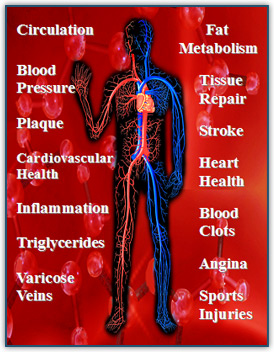
Why Allegany’s Systemic Enzyme?
The Natto-LP contains the most potent form of nattokinase on the market. The Natto-LP is formulated to work synergistically with the body to assist in a wide range of cardiovascular imbalances. Unlike some approaches to cardiovascular health, our systemic enzyme attacks the underlying imbalances instead of the symptoms. Our enzymes are produced in an Organically Certified facility that is FDA inspected. Our product contains no fillers, yeast, dairy, wheat, soy, gluten or corn and is free of artificial colors, flavors, and preservatives. We use the highest quality raw materials to produce superior results.
We don’t formulate proprietary blends to conceal the amounts of ingredients in our products. We want our customers to know exactly what they are getting, not guessing. We want you to be able to compare our products to others if you want. All ingredients are clearly listed on the bottle using the latest units of activity based on the Food Chemical Codex (FCC), Academy of Sciences and accepted by the American Food Industry.
The Natto-LP contains 6 enzymes other than Nattokinase. The purpose of these other enzymes is to help cleanse the body of undigested particles. The most important of these other 6 enzymes is protease, lipase, and peptidase. No other product on the market contains as much protease, lipase, and peptidase in a systemic enzyme formulation. Nattokinase should always be taken with systemic enzymes to help increase the effectiveness of the product.
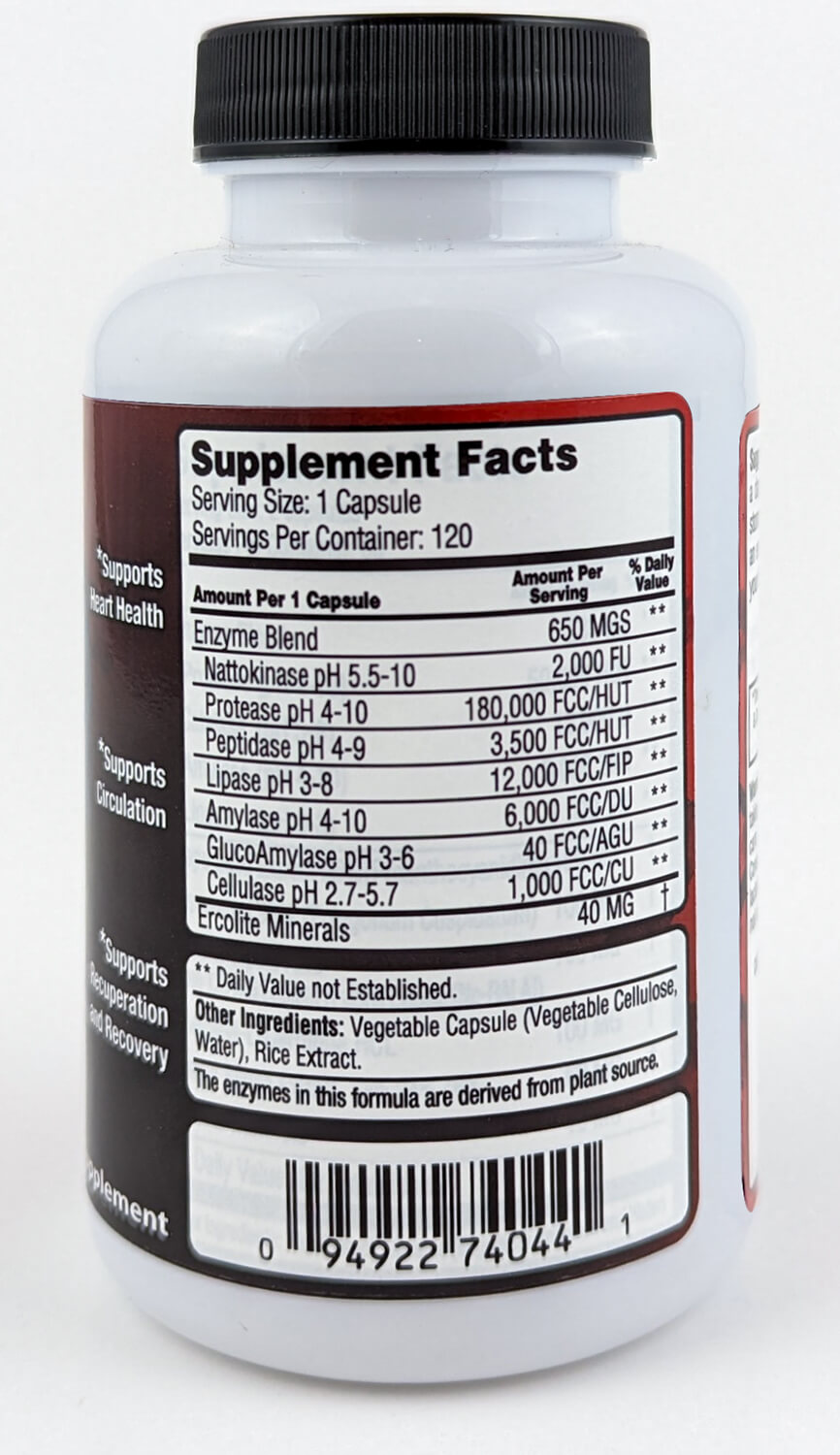
Serving Size & Supplemental Facts
CAPSULES PER BOTTLE: 120 count bottle.
Directions: Take one capsule in the morning on an empty stomach and one capsule in the evening on an empty stomach before bed for maintenance dosage (60 day supply). Take two capsules twice daily for a therapeutic dose (30 day supply). Always take on an empty stomach or 2 hours after a meal with 8 oz. of water. Take each day consistently for best results. We also recommend taking our digestive enzymes with your meals to assist in proper digestion and absorption.
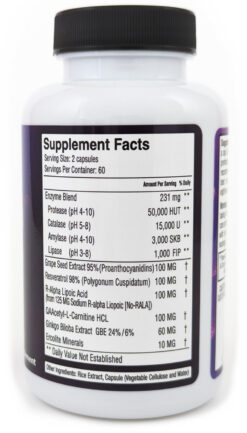
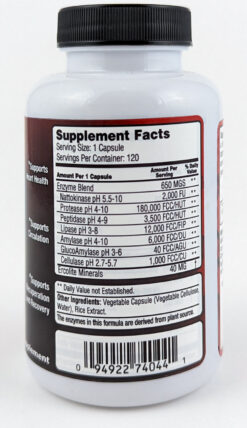
| Ingredients | Amt/1 capsule (Ingredients Per Capsule) | Function of Each Enzyme |
|---|---|---|
| Nattokinase pH range is 5.5 to 10 | 2,000 FU | Breaks down fibrin. |
| Protease pH range is 4 to 10 | 180,000 FCC/HUT | Breaks down proteins. |
| Peptidase pH range is 4 to 9 | 3,500 FCC/HUT | Breaks down protein peptides. |
| Lipase pH range is 3 to 8 | 12,000 FCC/FIP | Breaks down fats and oil. (triglycerides and lipids) |
| Amylase pH range is 4 to 10 | 6,000 FCC/DU | Breaks down carbohydrates and starches. |
| GlucoAmylase pH range is 3 to 6 | 40 FCC/AGU | Breaks down carbohydrates and starches. |
| Cellulase pH range is 2.7 to 5.7 | 1,000 FCC/CU | |
| Ionic Trace Minerals | 40 MG | Enzyme Cofactors. |
| Other Ingredients: Vegetable Capsule (Vegetable Cellulose, Water), Rice Extract |
Health Practitioners Recommendation
 Take one capsule in the morning on an empty stomach and one capsule in the evening on an empty stomach for maintenance dosage. Always take with 8oz. of water.
If you decide to take the therapeutic dosage (2 capsules twice daily) wait for a week before increasing to the therapeutic dosage from the maintenance dosage. It is always a good idea to start slow when supplementing with strong enzyme formulations.
FAQs
There is a natural substance in the blood called fibrinogen. If there is trauma or injury to a blood vessel the fibrinogen is converted to fibrin. Fibrin is a sticky protein that adheres to the walls of the blood vessel. As blood cells and platelets arrive they begin to stick to the fibrin to form a blood clot and stop the bleeding.
Enzymes are universally used throughout the body and life cannot exist without them. A systemic enzyme is an enzyme that supports your circulatory system. If they are in your digestive system they are called digestive enzymes, if they are in your blood stream, they’re called systemic enzymes. There is a natural substance in the blood called fibrinogen. If there is trauma or injury to a blood vessel the fibrinogen is converted to fibrin. Fibrin is a sticky protein that adheres to the walls of the blood vessel. As blood cells and platelets arrive they begin to stick to the fibrin to form a blood clot and stop the bleeding. Unfortunately, blood may also clot when platelets adhere to fibrin on fatty plaque of atherosclerosis, and create an unnecessary blood clot over time. When tissues are starved of proper blood flow they will begin to weaken and die. Fibrinolysis is the process of dissolving blood clots. Fibrinolysis is achieved by an enzyme called plasmin. As our bodies age, production of enzymes begins to decline. An unhealthy production level of these enzymes can lead to the development of blood clots, and the health imbalances caused by them. Other factors such as bacteria, viruses, and toxins in the blood can cause inflammation resulting in cross-linked fibrin that can circulate in the blood and stick to the walls of blood vessels. Narrowing blood vessels and increased blood viscosity (thickness) contribute to increased blood pressure and other health imbalances.
Nattokinase has shown to have a high fibrinolytic activity (breaks down fibrin). It also helps dissolve existing blood clots (thrombus) by dissolving the fibrin that binds platelets and red blood cells together.
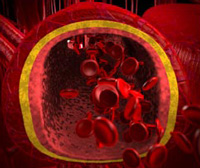 An enzyme in the body called angiotensin converting enzyme (ACE) helps synthesize angiotensin II which raises blood pressure by constricting blood vessels. Hypertension is often treated with ACE inhibitors to help lower the level of angiotensin II. Nattokinase has been shown to lower blood pressure levels by inhibiting angiotensin converting enzyme (ACE).
Nattokinase has also been shown to support blood circulation by assisting in the clearing of circulation and preventing hardening of the arteries.
The Importance of Protease and Lipase
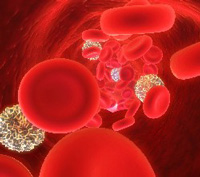 Enzymes are the metabolic driving force throughout the entire body. Proteolytic and Lipolytic enzymes are able to break down proteins, fats, toxins, and cellular waste in the blood stream and throughout the body. A healthy blood stream maximizes nattokinase enzymes to function at full potential.
Proteolytic enzymes break down protein and are often referred to as proteases. These enzymes help the body’s immune system break down toxins, foreign proteins, pathogens, and dead cells. This helps reduce stress off of other body systems. They also help balance the body’s pH level.
Lipolytic enzymes break down fat. Poor fat and lipid metabolism can lead to cardiovascular imbalances because fats are a major source of fuel for the heart and brain. A healthy person’s body is between 20-24% fat cells. Yet some fats and lipids such as triglycerides can harm our cardiovascular system. Lipase can help control triglyceride and LDL cholesterol levels.
What is Nattokinase NSK-SD™?
Nattokinase is found in Natto, a food derived from soybeans.
References:
1. H. Sumi, H. Hamada, H. Tsushima, H. Mihara, A novel fibrinolytic enzyme (nattokinase) in the vegetable cheese natto; a typical and popular soybean food in the Japanese diet, Experimentia 1987, Oct 15;43(10);1110-1.
2. M. Maruyama, H. Sumi, Effect of Natto Diet on Blood Pressure, JTTAS, 1995.
3. Sumi H. Healthy Microbe “Bacillus natto.” Japan Bio Science Laboratory Co. Ltd.
4. Lipids 32: 1147, 1997
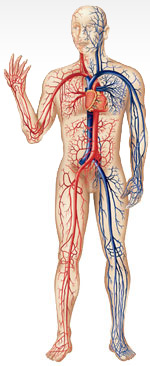
The Natto-LP is formulated to work synergistically with the body to assist in fibrin, protein, fat and carbohydrate digestion in the blood. Take a look at the relationship between various conditions and the blood.
Nattokinase has been the subject of 17 studies. Dr. Sumi’s first clinical trial with humans included 12 volunteers. They were administered 200 grams of Natto (the food) each day. Two types of measurement methods were used to test fibrinolytic activity. The Euglobulin Clot Lysis Test stimulated an artificial thrombus (blood clot) within the volunteer’s blood sample. Then they measured the time it took for the clot to completely dissolve. The amount of time it took for the blood clot to dissolve in the Natto group dropped by 48% within 2 hours. An additional study showed an 11% decrease in blood pressure after 2 weeks.
A clinical trial involving dogs was also conducted by Dr. Sumi. Two groups of dogs were used. One group received nattokinase, and the other group received a placebo. A blood clot (thrombus) was created in a leg vein of each dog. The dogs that had nattokinase in their diet had no blood clots within 5 hours. The dogs that were fed placebos still had the blockage caused by the blood clot 18 hours later.
Phase Contrast Live Blood Conditions
The Natto-LP is a systemic enzyme formulated to work synergistically with the body to assist in fibrin, protein, fat and carbohydrate digestion in the blood. It is the strongest fibrinolytic, proteolytic, and lipolytic enzyme formulation on the market. Take a look at what undigested substances in your blood can do to your cardiovascular system.*
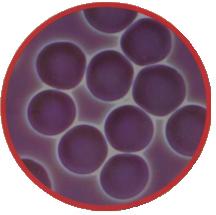 Normal Red Blood Cells
Notice how the erythrocytes (blood cells) are round and separated. This allows the blood to flow smoothly through blood vessels and capillaries and into cells to provide oxygen, nutrients, antibodies, and hormones.*
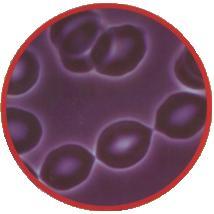 Protein Linkage
Protein Linkage occurs when excess undigested protein and fat in the blood coats the red blood cells and causes them to stick together. This increase blood viscosity (thickness) and stress on the circulatory system.*
 Rouleau
Rouleau results from a large amount of undigested protein and fat in the blood. Notice that the red blood cells are stacked like coins. This reduces their surface area and the amount of oxygen that can be carried by them.*
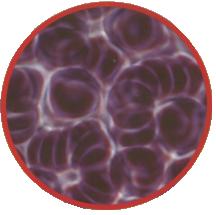 Erythrocyte Aggregation
Erythocyte Aggregation results from a large amount of undigested proteins and fats in the blood. Notice the red blood cells all bunched together. This reduces their ability to carry oxygen and vital nutrients. It also increases blood viscosity (thickness), increasing stress on the circulatory system.*
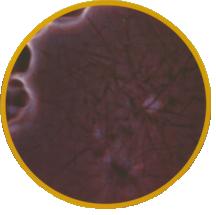 Fibrin
Fibrin may resemble a spider web. It is part of the blood clotting mechanism, however, fibrinogen shows up in the blood when the there are toxins present indicating inflammation. It may indicate improper elimination, and liver stress.*
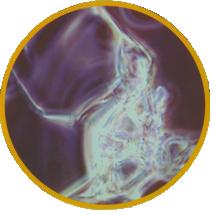 Cholesterol Crystal
Cholesterol Crystals result from excess undigested fats not being cleared from the blood. Notice the crystal appears milky or clear.*
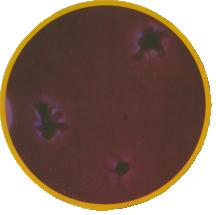 Thrombocytes
Platelets are what makes the blood clot when there is an injury. This is what stops the bleeding if you cut yourself. Large amounts of platelets may appear in the blood when there is inflammation or injury.*
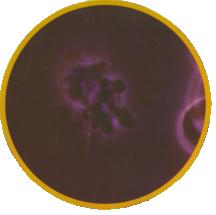 Thrombocyte Aggregation
Thrombocyte Aggregation results from platelets sticking together in large masses due to excessive proteins, fats, or sugars.*
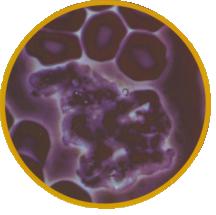 Plaque
Cooked/processed fats and platelets sticking together and hardening, sometimes it sticks to the inside of blood vessel walls.*
 Chylous
Small grayish dots in the blood known as blood fats. Chylous usually shows up after a fatty meal but should be gone within 3 to 5 hours.*
References:
1. H. Sumi, H. Hamada, H. Tsushima, H. Mihara, A novel fibrinolytic enzyme (nattokinase) in the vegetable cheese natto; a typical and popular soybean food in the Japanese diet, Experimentia 1987, Oct 15;43(10);1110-1.
2. M. Maruyama, H. Sumi, Effect of Natto Diet on Blood Pressure, JTTAS, 1995.
3. Natto-Traditional Japanese Fermented Soy Beans with Recently Discovered Health Benefits and Novel Industrial Applications, Enzyme Wave, Volume 3, June 2002, Amano Enzyme, Inc., page 2-4.
Blood Under the Microscope
Enzymes act as scavengers of foreign substances throughout the body. Enzymes in the body’s white blood cells are responsible for destroying foreign, disease-producing substances in the blood and lymph. During illness and infection, white blood cells increase to fight off pathogens. When cooked foods are eaten, the body reacts just as though we had an acute illness. Within 30 minutes of eating cooked foods, our white-blood-cell count increases dramatically. This means that the immune system is being unnecessarily called into action virtually every time we eat.
Studies show that mobilization and increase of white blood cells do not happen when raw food is consumed. Molecules from improperly digested proteins and fats that are small enough to get into the blood, but too large to get into the cells, are called floating immune complexes. They are now considered toxic invaders in the body instead of nutrients.
The dark field microscope is a viable technology used for live blood analysis. This microscope can magnify a tiny drop of blood 15,000 times and can give an accurate picture of floating immune complexes. Let’s take a look at some of the unhealthy conditions we can see under this microscope. We see red blood cells sticking together, which results in a lack of surface area and creates low oxygen content. This can lead to chronic fatigue, migraine headaches, and poor circulation. We see cholesterol and uric acid crystals, which could eventually lead to arthritis or gout. We see plaque due to undigested fats, which can lead to arteriosclerosis. We see free radical damage, which can have devastating consequences. It takes a concentrated effort from white blood cells to digest floating immune complexes and protect our body from other toxic invaders. Meanwhile , he organs, tissues, and glands are robbed of their rightful share of needed enzymes.
Compare Natto LP to Other Systemic Enzymes Sold in Stores
Anti-Inflammatory Formula
Allegany Nutrition prices listed are the SUGGESTED retail price that we recommend that the health care practitioner sell them for. Listed below are the main and most important enzymes in each product we believe to be for breaking down Fibrin, Protein, Fats, and Carbohydrates. Below is what each company’s capsule contains for the enzymes that are listed on the chart, there are of course other enzymes in our product as well as the other companies. There is just not enough room; therefore we only list the main ingredients. The products on the bottom half of the chart are proprietary blends and they do not state the amounts of the ingredients in their product.
Note: DU’s and SKB’s are equivalent. DU’s are the newest terminology used by the FCC. Also, note that when measuring Lipase activity that each FIP unit is up to 5 to 10 times more potent than when measuring Lipase activity in LU. If you would like another product added send us an empty bottle and the Retail Cost and we will add it to this chart. 6-23-08
| Company Name Product Name | Nattokinase (FU) | Protease (HUT) | Lipase (FIP) | Peptidase (HUT) | Amylase (DU) | Retail Cost | Cost per Capsule (ea.) |
|---|---|---|---|---|---|---|---|
| Allegany Nutrition Natto-LP | 2,000 | 180,000 | 12,000 | 3,500 | 6,000 | $81.00 (Sug. Retail) 120 capsules | $0.53 |
| Enzymedica Natto-K | 1,000 | 16,000 | 600 | X | 3,600 | $56.98 90 capsules | $0.63 |
| Enzymedica Lypo-Gold | X | 30,000 | 6,000 | X | 11,000 | $43.98 120 capsules | $0.36 |
| Baseline Nutritionals pHi-Zymes | 167 | 100,000 | 64 | X | 1,000 | $49.95 90 capsules | $0.55 |
| Theramedix NK | 1,000 | 16,000 | 600 | X | 3,600 | $50.98 90 capsules | $0.84 |
| Theramedix LPS | X | 25,000 | 10,000 | X | 6,500 | $40.98 60 capsules | $0.68 |
| Ethos Ethozyme | 800 | 10,000 | 500 | X | 2,000 | $112.86 120 capsules | $0.94 |
| Arthur Andrew Medical Neprinol | ? | ? | ? | ? | ? | $54.99 90 capsules | $0.61 |
| Tevinol Trevinol | ? | ? | ? | ? | ? | $39.50 90 capsules | $0.43 |
| World Nutrition Vitalzym SEB | ? | ? | ? | ? | ? | $130 300 capsules | $0.43 |
| Generation Plus Naticor | ? | ? | ? | ? | ? | $125.99 300 capsules | $0.41 |
| Windhawk | ? | ? | ? | ? | ? | $49.75 120 capsules | $0.41 |
| Club Natural OsteoZyme | ? | ? | X | X | X | $39.99 90 capsules | $0.44 |
How to compare different companies Systemic Enzymes:
Our systemic enzyme formulations are listed in units of activity. The potency of a systemic enzyme product is determined by the units of activity. The units of activity express the strength of the enzymes in the formulation. Another way to say this is that the more units of activity in a formulation, the more it is capable of breaking down. Units of activity are based on the Food Chemical Codex (FCC), Academy of Sciences and accepted by the American Food Industry. For example, the amount of Protease in the Natto-LP is 180,000 HUT. This means that each capsule has 180,000 units of activity. Using these units of activity to compare different systemic enzymes is crucial. The units of activity in a product are what counts, not the number of milligrams or another measuring system. What’s important is the amount of the product is capable of breaking down. When comparing our product with others, and they don’t use the Food Chemical Codex (FCC), it’s almost impossible to compare the two products. So when using other products that don’t use the Food Chemical Codex, ask them what is the activity level equivalent to the Food Chemical Codex. It is impossible to compare proprietary blend products to any other. A proprietary blend is a mixture of the ingredients stated in the blend.
 The only thing the proprietary blend product states is the total amount of blend. They don’t state the amount of each ingredient or its activity level. Therefore, you don’t know what the activity level of each enzyme is, and this is the only measurement that is used when the supplier sells to the manufacturer for encapsulating the enzyme. For example, the ingredient supplier of the enzyme can sell 250mg that would equal 25,000 FCC/HUT of protease enzyme, or 250mg that would equal 150,000 FCC/HUT of protease enzyme. In this example, there is a 6-time difference in the amount of enzyme strength.
This is how some nutritional companies might mislead their customers in order to increase their profit margin. They may use lower cost ingredients, and formulate a product with weaker/lower activity enzymes and label the product as a proprietary blend or list the ingredients individually in mg. So when considering to buy a product that states a proprietary blend or ingredients listed in mg, ask for a copy of the certificate of analysis that comes from the lab. Don’t let yourself be misled by a company using different terminology. Always know the quality/activity level of each ingredient in the product. Take a look for yourself and see how our product stands up next to others sold nationwide. We don’t mislead our customers.
Quantum Biofeedback EPFX/Scio
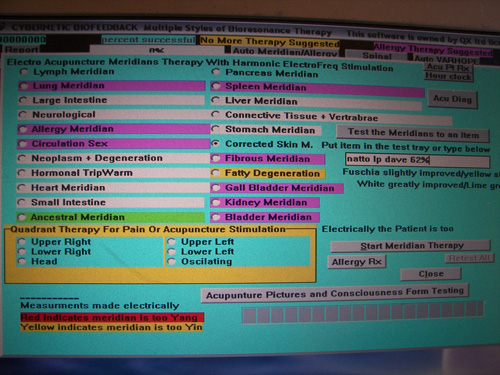
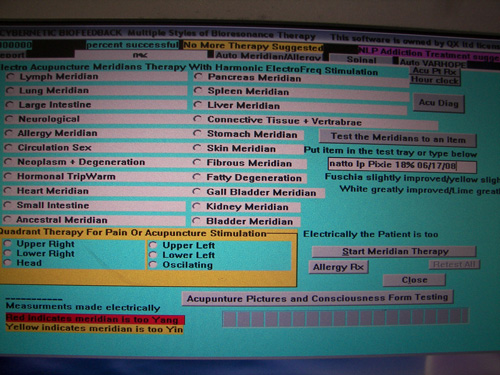
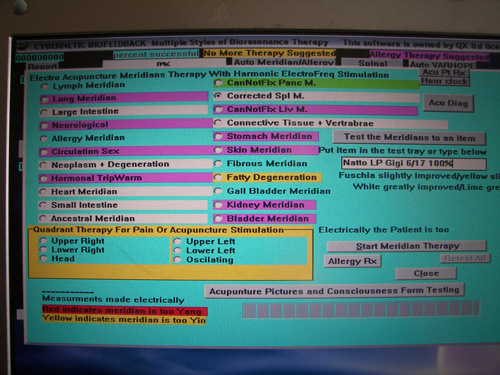
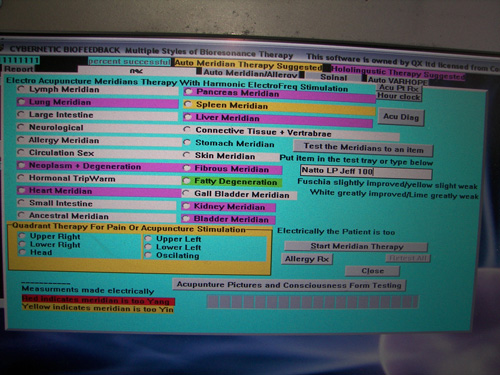
We tested the Natto-LP on a Quantum Biofeedback Machine. Below are pictures of how the product tested. Each picture shows different organ systems and how the product affects those systems.
About the Quantum Biofeedback Machine
The Quantum Biofeedback machine works through sixteen different electrical factors of the body, calculates combinations of impedance, amperage, voltage, capacitance, inductance, and resistance for Electro-Physiological Reactivity (The Xrroid Process). The body is indeed electric; therefore reactivity in the body can be measured electrically. E-P Reactivity results are based upon the ability to establish a “Tri-Vector” connection for an energetic “3-Dimensional” view of the client’s current reactions to over 10,000 different items.
Once established, the Quantum Biofeedback auto-focus program, designed to monitor a client’s reactions, helps optimize the quality and quantity of the stress reduction results. The techniques and methods of Quantum Biofeedback stress reduction include addressing areas those most typically affected by the stressors of “every-day living”. Some examples of these methods and areas are the “tri-vector”, “auto-meridian”, “homeopathy”, “auto-frequency”, “auto-color”, “auto-spinal”, “chakra”, and “EEG.
Quantum Biofeedback/Scio Results
The pictures below are from a Quantum Biofeedback/Scio. The pictures list various organ systems. The organ systems are colored differently. The different colors represent how the product is interacting with that organ system.
White indicates that the product has a very positive impact on that organ system.
Purple indicates that the product has a positive influence on that organ system.
On the right side of the picture (middle right) shows the product name and the reactivity of the product for that person.